Zoo Animals as Involuntary Ambassadors: Why That Seal Isn’t Really “Kissing” You
Captive seals smooching people and elephants painting with brushes might seem like the perfect cover stars for modern zoos. But how happy and livable are their existences really? It's time to look beyond the symbolism and consider the experience of each individual.
Zoos present animals as educators, performers, conservation symbols, and ambassadors. These roles serve institutional narratives; the animals, meanwhile, live the conditions behind the display. Taking their wellbeing seriously means looking beyond the story presented to visitors and asking whose needs the encounter truly serves.
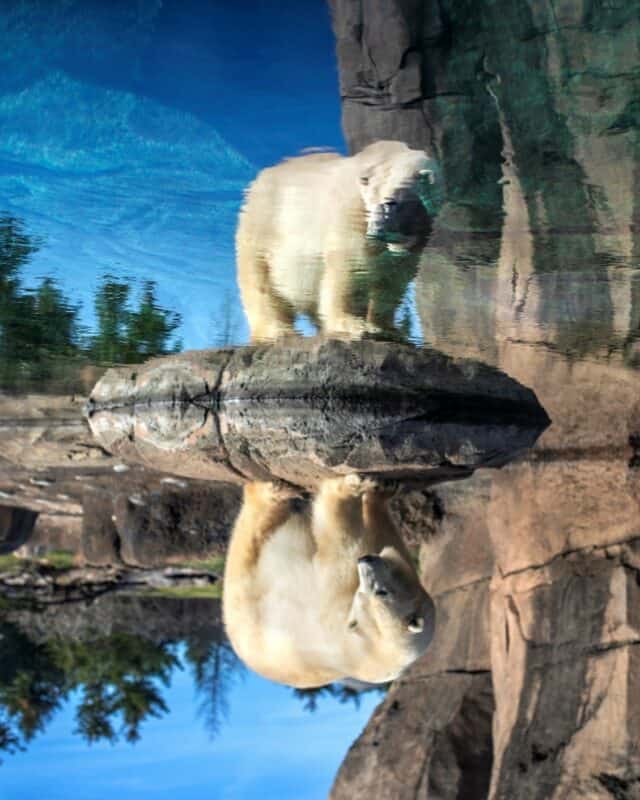
A Life is More Than a Performance
At a Southern California zoo, I once heard a visitor explaining a maned wolf’s repeated figure-eight pacing to his child: The wolf was “trying to find a girlfriend,” he said. The answer was simple and easy to understand. It also turned an observable behavior into a confident claim about the animal’s motives: The wolf could not correct the explanation.
Repeated movement along a fixed route may be described as stereotypic behavior. In captive animals, such behavior deserves attention because it can be associated with inadequacies in the animal’s environment, their psychological health, or their traumatic history. Zoo animals may pace, sway, rock, lick, or chew in repetitive patterns. Such behaviors can develop when an animal experiences stress or has few opportunities to carry out behaviors important to its species.
“The wolf is not simply an exhibit or an illustration of a species but an individual living within conditions created by humans.”
Hence, a maned wolf pacing the same route repeatedly is not performing for visitors. Instead, its behavior likely reflects distress within a life shaped by captive conditions that should be brought into question.
What does the animal’s day involve? What opportunities are available for exploration, rest, privacy, and social interaction? The answers to these questions matter because the wolf is not simply an exhibit or an illustration of a species but an individual living within conditions created by humans.
Captivity Shapes the Choices Available
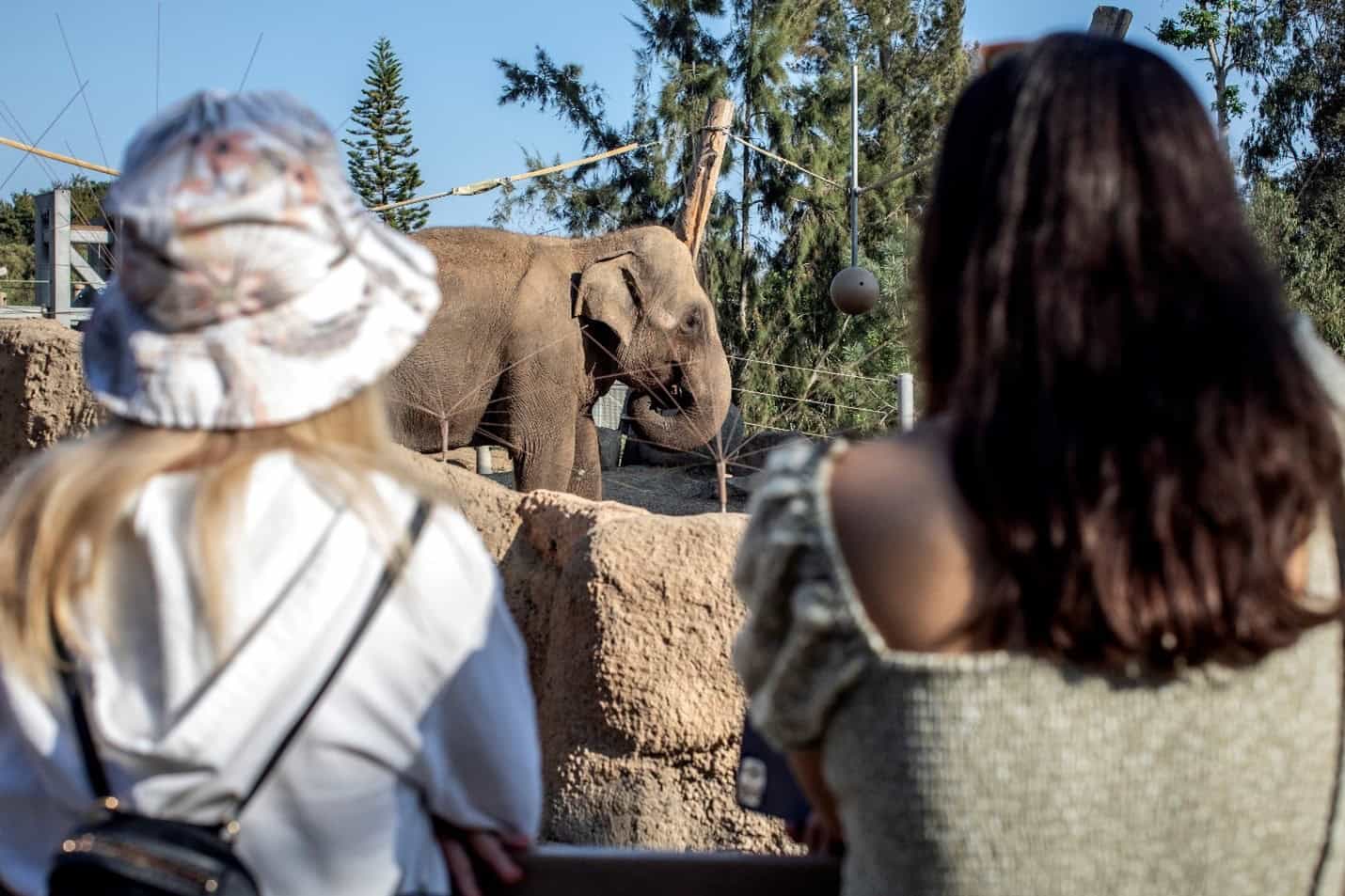
An elephant painting on canvas for an audience may appear engaged and skilled. The activity may even be described as enrichment. However, the scene alone cannot show whether the elephant chooses to participate, what alternatives are available, or how the activity fits into the rest of its carefully structured daily routine. And yet this information is crucial as it concerns the animal’s control over its own behavior and environment—its autonomy and agency—which are fundamental to an animal’s wellbeing.
The same is true when a sea lion appears to “kiss” a trainer or paying patron. For the visitor, the contact may feel affectionate. That feeling, however, belongs to the human participant alone. Understanding the encounter requires attention to how the behavior is trained, whether the seal can withdraw, and how the individual behaves beyond this brief interaction. The important question is not how charming the moment appears but whether the sea lion can decline or retreat.
A dolphin moving onto a platform for a food reward can also be presented as cooperation. But that performance presents only one moment in a much larger life. What choices does the animal have? What social and behavioral opportunities are available outside the demonstration? How is the individual’s welfare assessed? A crowd’s delight is not a measure of the dolphin’s wellbeing.
“Claims about an animal’s wellbeing should rest on evidence about the animal—not on how charming or reassuring a scene looks to visitors.”
These examples point to a basic imbalance: people choosing the setting, schedule, and purpose of an encounter, while the animal has limited control over the conditions. That does not mean every trained behavior is harmful or every keeper’s interaction is uncaring, but it does mean that claims about an animal’s wellbeing should rest on evidence about the animal—not on how charming or reassuring a scene looks to visitors.
The Burden of Being an Ambassador
Zoo animals are frequently described as “ambassadors” for their relatives living in the wild. The word makes captivity sound like a role an animal has accepted. Yet an animal cannot agree to represent a species, endorse a conservation message, or explain whether a public encounter is welcome. It becomes a mere symbol. The label can give an institution’s purpose a friendly face while pushing the animal’s individual experience into the background.
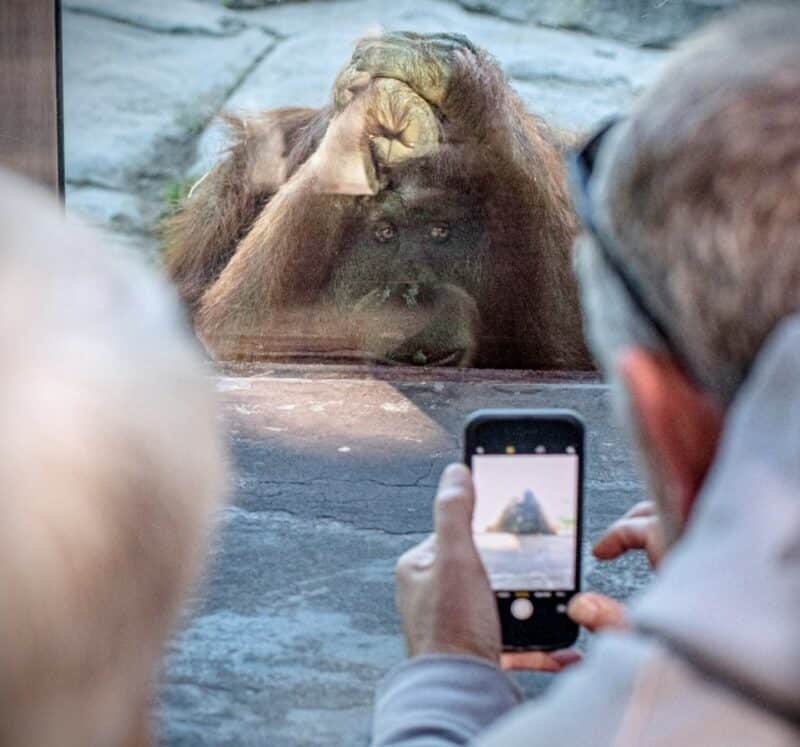
This is why an animal’s wellbeing should not be treated as settled by the existence of a conservation or education mission. A zoo may contribute to conservation, but that does not automatically show that a particular captive animal benefits from being placed on display. Likewise, a moving encounter may attract attention without demonstrating what visitors learned or whether the experience helps protect animals in the wild.
Looking Carefully is a Form of Respect
Taking captive animals seriously does not require pretending to know exactly what they feel. It requires resisting the impulse to explain away behavior with a convenient story—and resisting the opposite impulse to claim certainty from a brief observation. The maned wolf’s pacing cannot tell visitors everything about its living conditions. It can, however, prompt questions that put the wolf’s life, rather than the visitor’s interpretation, at the center.
“The least we can offer is careful attention to [captive animals’] lives beyond the performance.”
The elephant holding a brush, the seal prompted to “kiss” a visitor, and the dolphin on a platform are not props in a human story. Each is an individual whose choices are limited by conditions people have created. Their participation should not be mistaken for consent or wellbeing; the important questions are what freedom they have to refuse, what the encounter demands of them, and whose interests it serves.
Captive animals are often asked to make human visitors feel wonder, connection, and hope. The least we can offer in return is careful attention to their lives beyond the performance. An animal may carry a conservation message, but the animal is not the message. The animal is the one living with the consequences of captivity.
Learn more in this related title from De Gruyter Brill

[Title image by joebrandt/iStock/Getty Images Plus]