Marie Neurath and the Picturebooks That Explained the World
Graphic designer Marie Neurath spent her career transforming complex scientific knowledge into picturebooks children can understand. We spoke to the editors of a new volume that revisits Neurath’s legacy and her role in democratizing knowledge.
While it might sound like a platitude, sometimes a picture does say more than a thousand words. Marie Neurath (1898–1986), née Reidemeister, realized this early in her life. She studied mathematics and physics in Göttingen, while also taking classes in art school—a combination of the analytical and the visual that would come to define her later work.
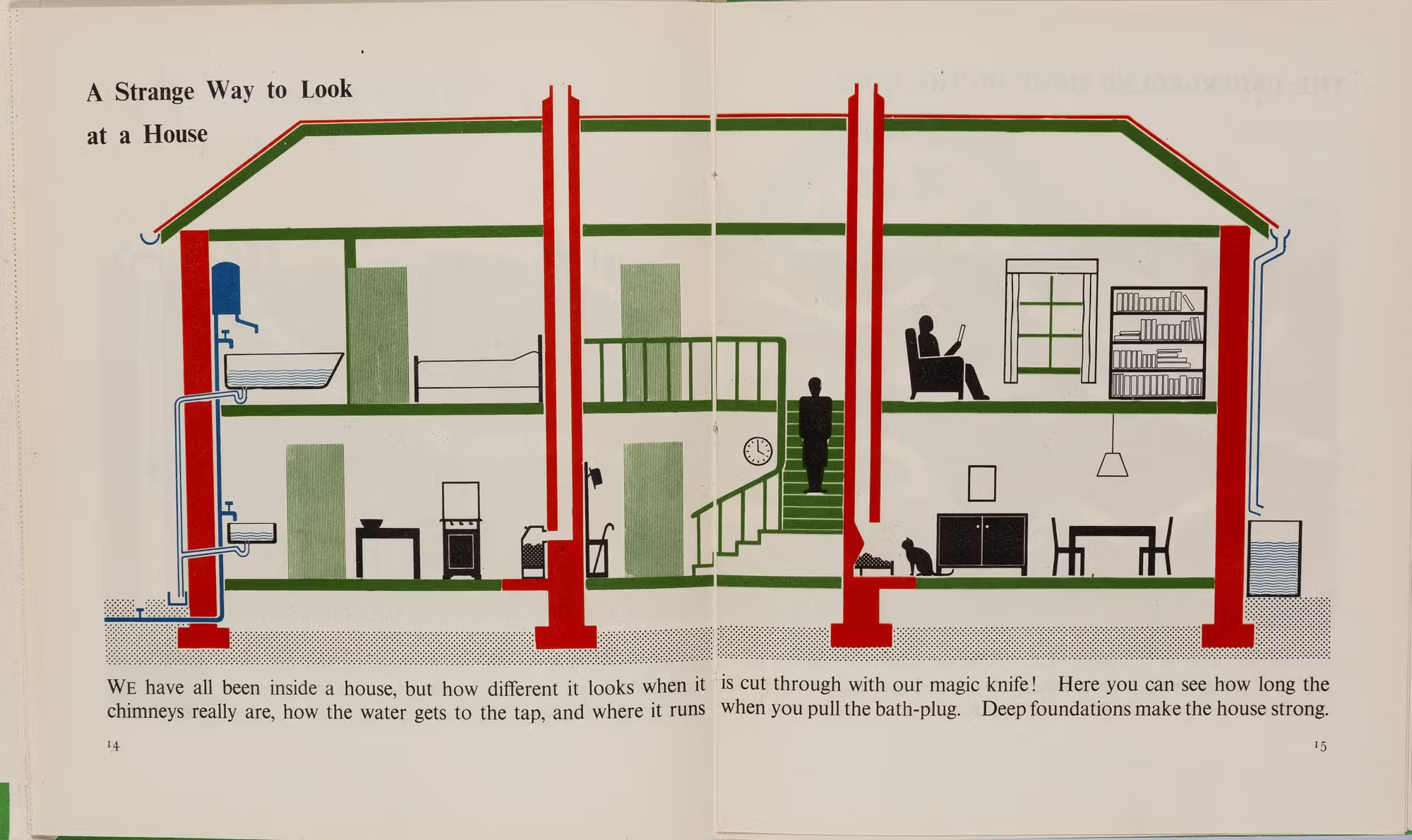
Shortly before graduating, she met her future husband, Otto Neurath, with whom she moved to Vienna in 1925 to work in the Social and Economic Museum. Together they and the graphic designer Gerd Arntz went on to develop the “Vienna Method of Pictorial Statistics”—a visual language to communicate complex scientific relationships to a lay audience. While Otto Neurath gathered the scientific data and Gerd Arntz drew the pictograms, she took on the role of “transformer,” bringing it all together.
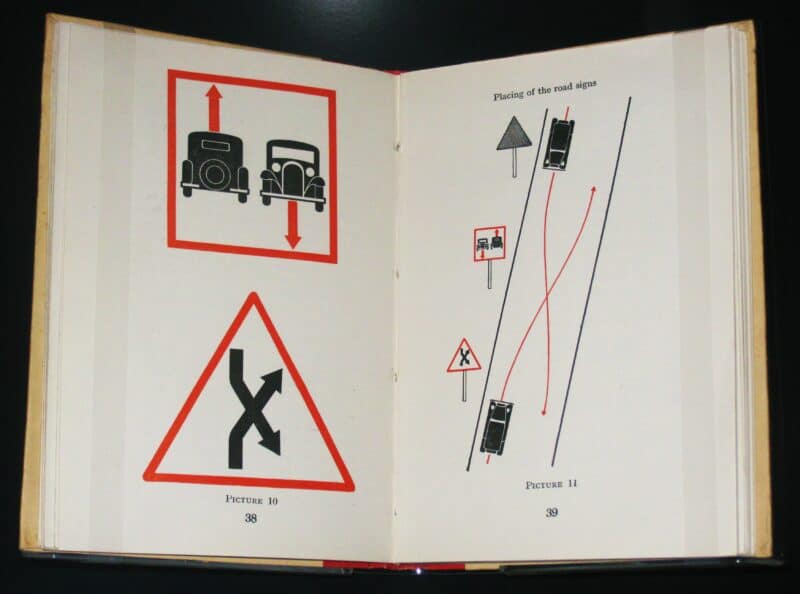
After moving to The Hague in 1934, in the wake of rising fascism in Austria, the method was rebranded as Isotype (International System of Typographic Picture Education). When the German army invaded the Netherlands in 1940, Otto Neurath and Marie Reidemeister escaped to England. After several months of internment as “enemy aliens,” they married in 1941 and founded the Isotype Institute in Oxford. There they began developing a new concept: using the Isotype method in non-fiction educational books for children.
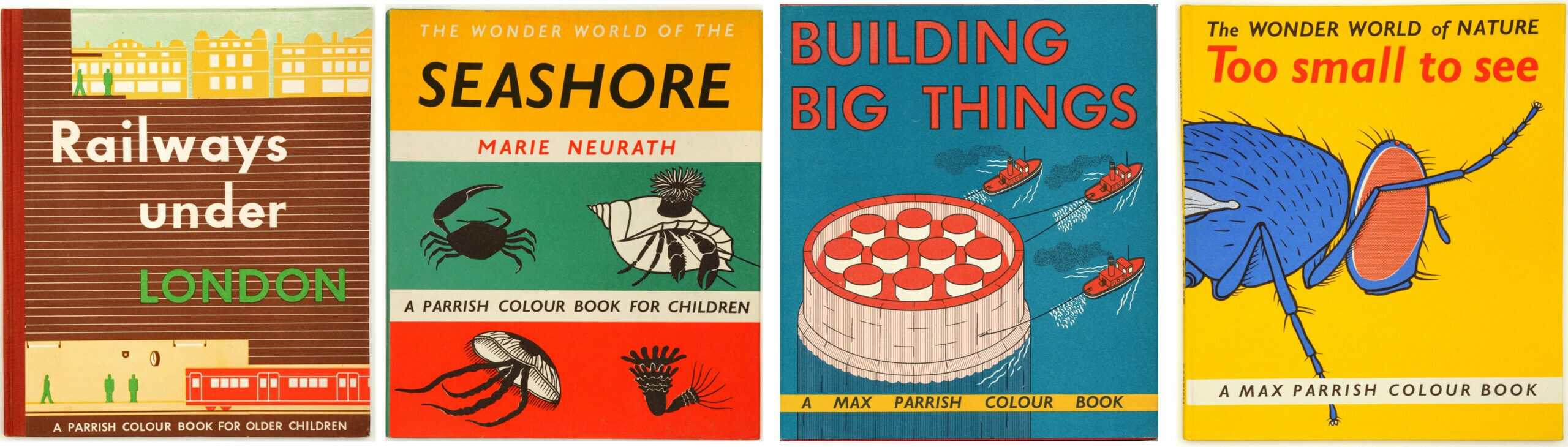
After Otto Neurath’s death in 1945, Marie Neurath carried on the work and published more than 70 non-fiction picturebooks on numerous topics in science, technology and history. Today, however, her legacy has largely faded from view.
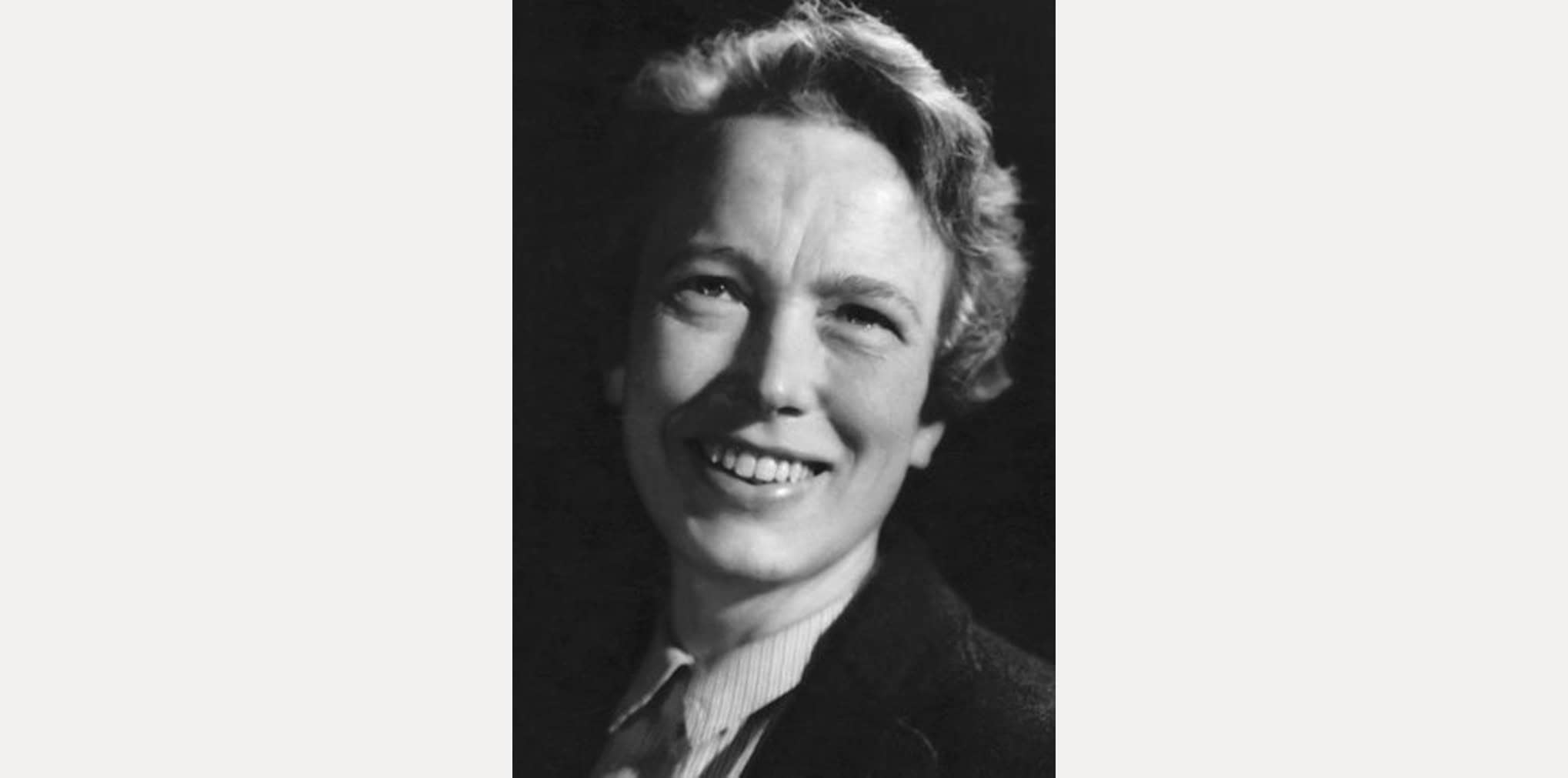
Susanne Blumesberger, Bettina Kümmerling-Meibauer, and Jörg Meibauer, editors of the book “Marie Neurath and Isotype Picturebooks: Transforming Knowledge for Children”, would like to change this. They want to put the spotlight on this outstanding graphic designer and her almost forgotten picturbook oeuvre. We sat down with them for an interview.
De Gruyter Brill: What first drew you into the subject?
Susanne Blumesberger, Bettina Kümmerling-Meibauer & Jörg Meibauer: It was a visit to the Social and Economic Museum in Vienna—Marie Neurath’s former workplace. The museum’s exhibits drew our attention to Neurath’s picturebooks, which are virtually unknown in children’s literature research. From this arose the idea to organize a conference, which was brought to fruition with the museum’s approval and support from the Fritz Thyssen Foundation.
As with the conference, we truly hope that our anthology will bring about a decisive change in terms of recognizing Marie Neurath’s extraordinary and original contributions to informational literature for children.
DGB: Why do you think Marie Neurath slipped out of the scholarly record for so long?
SB, BKM & JM: In terms of research on children’s literature, the answer is clear: Informational picturebooks have only recently been recognized as a major genre in children’s literature. Their design, which is sometimes abstract, deviates too greatly from widespread expectations of appealing and picturesque children’s book illustrations.
As an intellectual figure, Marie Neurath always stood (modestly) in the shadow of her husband, renowned philosopher and social scientist Otto Neurath. In scholarly literature, she is often portrayed as merely his “associate.” However, given her independence following his death in 1945, it is also reasonable to conclude that she had already established herself as a “transformer” of knowledge for children in Vienna in the 1920s.
DGB: What is so crucial about this “transformation” of knowledge?
SB, BKM & JM: Perhaps the idea is that children—and workers—have a right to reliable information about the world, society, and economy so they can acquire knowledge independently and apply it critically. Using graphical and statistical methods to simplify complex topics is intended to help break down barriers to learning.
DGB: In the process of writing the book, was there a question you kept returning to again and again?
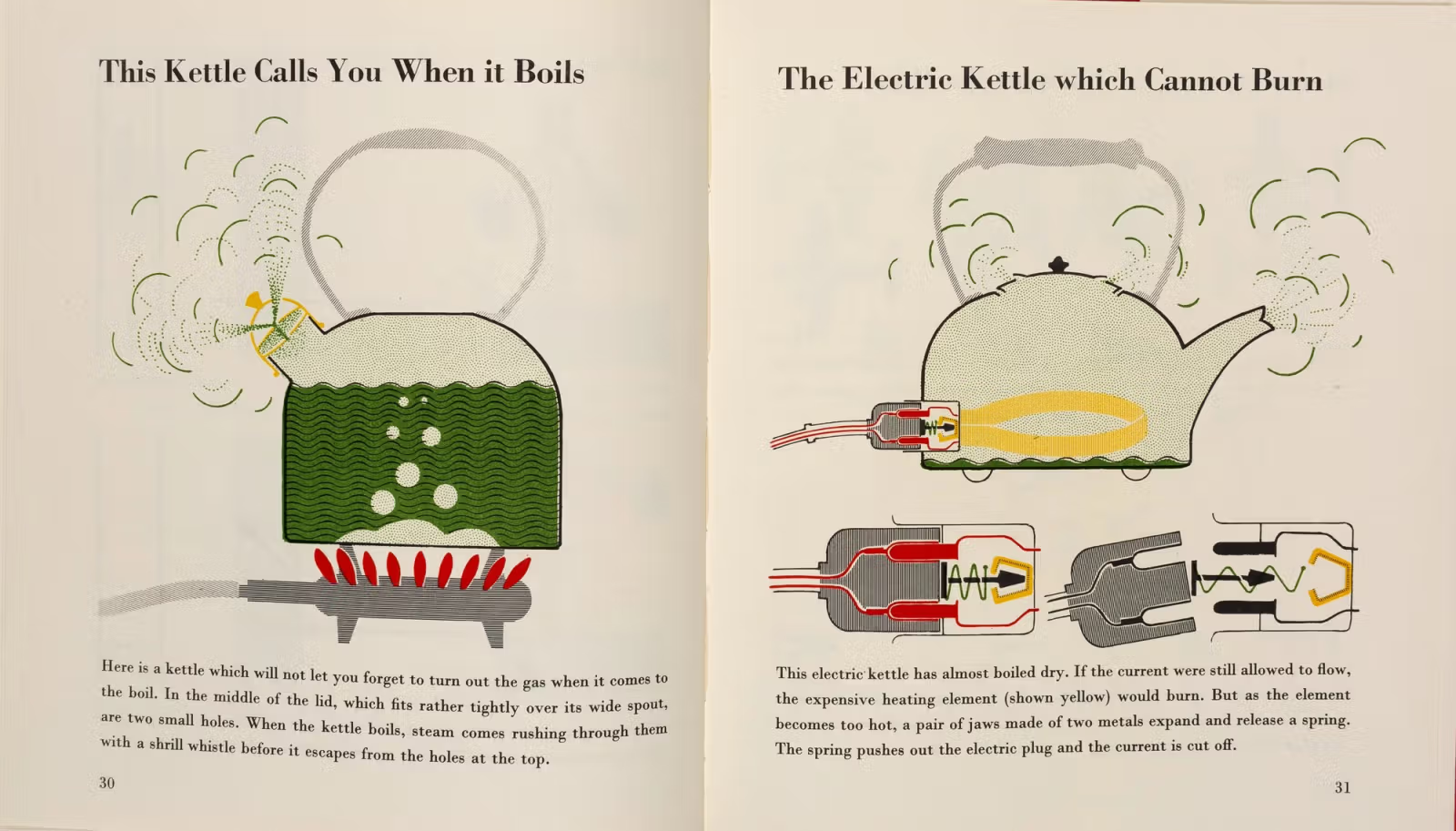
SB, BKM & JM: The design of the books and the approach of making complex knowledge accessible in a simple way are still appealing today, but how, then, can we explain the disappearance of Isotype picturebooks?
DGB: Which source, object, person or archive most changed the direction of your thinking?
SB, BKM & JM: An essay by Professor Sue Walker from the University of Reading, titled “Graphic Explanation for Children, 1944–71,” which she published in 2013 in an anthology on Isotype, was very helpful.
As for archives, although some of Marie Neurath’s books were very successful and had large print runs, they remain difficult to access through libraries. On the collectors’ market, they often fetch high prices. Therefore, it is fascinating to hold an original copy in your hands, with its captivating graphics and vibrant colors.
DGB: What part of the research process do people outside your field tend to underestimate?
SB, BKM & JM: The fact that there is a distinct field of study dedicated to children’s and young adult literature—and that the picturebook is an art form in its own right—is hardly known in society. The underestimation or disparagement of relevant research is a long-standing problem. However, we hope that by publishing a well-researched contribution on the outstanding graphic designer Marie Neurath, we can raise not only her profile but also that of children’s literature research.
DGB: How did this project change the way you think about your field more broadly?
SB, BKM & JM: There is so much to discover! The transmission of knowledge was at the heart of early modern children’s and young adult literature, for instance Johann Amos Comenius‘ Orbis Sensualium Pictus (1658), standing alongside narrative children’s literature—though it is narrative children’s literature that receives a great deal of attention from the book market, parents, and the fields of education and pedagogy.
Marie Neurath’s books are now considered historical, but her approach to presenting challenging knowledge to children lives on in modern digital formats.
DGB: What else makes Neurath’s legacy especially important to study now?
SB, BKM & JM: Marie Neurath’s scientific worldview was grounded in facts and laws. Today, modern developments in the history of ideas often relativize science’s claim to truth. However, Marie Neurath’s work shows us that a reliable foundation of knowledge is essential for asking critical questions. Her book “Machines which seem to think” (1954) leads us directly to the question of whether AI can truly “think.”
Learn more in this related title from De Gruyter
[Title image: Illustration from “Rockets and jets,” London: Max Parrish, 1951; Otto and Marie Neurath Isotype Collection, University of Reading]